Housing Distress Update: Tampa Becomes Focal Point of Florida's Foreclosure Spike
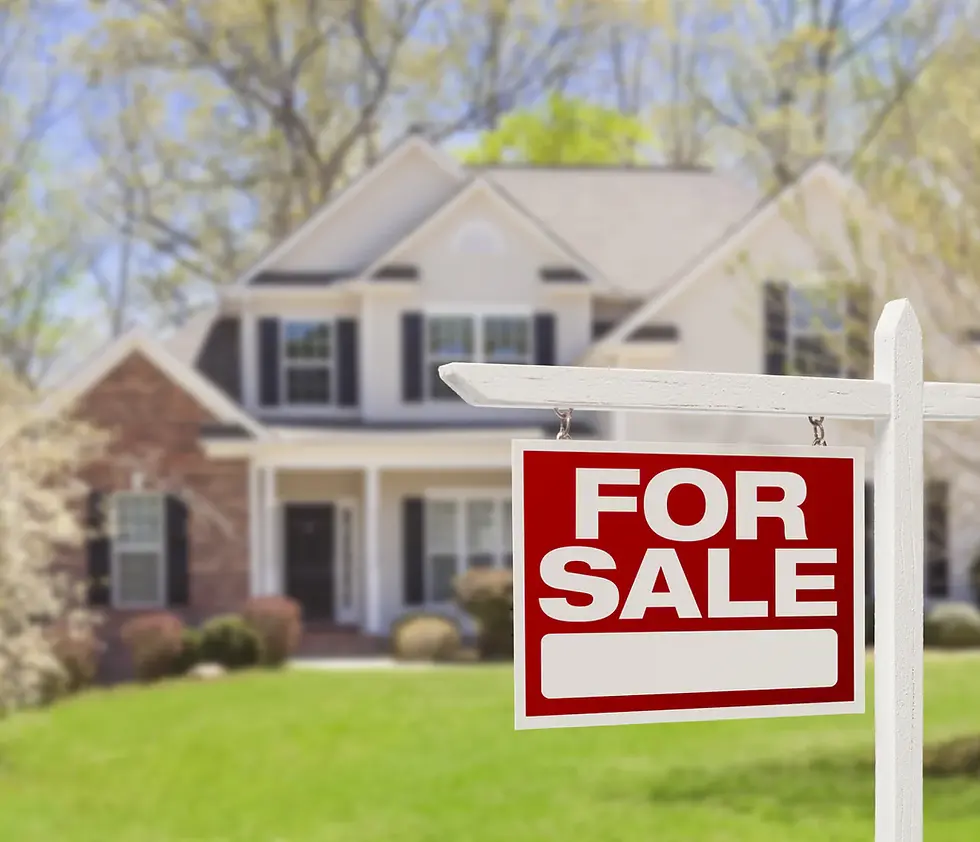
Foreclosures are climbing across the country, and Florida’s now leading the pack. Tampa, in particular, stands out, as last October, it had the highest foreclosure rate among the nation’s large cities. One out of every 1,373 homes there got a foreclosure filing, according to ATTOM Data.
For a lot of people who bought homes during the frenzy between 2020 and 2023, this is turning into a nightmare. Realtors are seeing families who realize they can’t sell without losing money. The numbers just don’t add up. Economists point to a few culprits: home values slipping, insurance premiums shooting up, and everyday costs getting heavier—especially for retirees and anyone on a fixed income. It's a tough mix, and it’s pushing more homeowners to the edge.
ATTOM’s latest report paints a clear picture. In October 2025, there were 36,766 foreclosure filings nationwide—a 3% jump from September, up 19% from the year before. Florida topped the list, with one foreclosure for every 1,829 homes. Zoom in on Tampa, and it’s even worse: one in every 1,373 homes faced foreclosure. Part of that spike comes from catching up on backlogged filings in Hillsborough County, but the trend is real.
Realtors on the ground say many sellers are shocked when they see the numbers. Buyers are learning they have to sell at basically the same price they bought for, and the market’s dropped significantly. They’d need to bring about $10,000 to the closing just to avoid a short sale. Often, it’s only after running the calculations that the reality hits: they’re underwater. They can’t sell, but they can’t keep up either. That’s when foreclosure becomes more than just a word.
Economists like Michael Snipes at USF see the pattern. It’s not just home prices—it’s everything tied to homeownership. HOA fees, mortgage interest, insurance, all of it is rising. For people living on fixed incomes, even a small increase can have a big impact.
Experts urge anyone starting to fall behind to reach out early. Have the conversation sooner rather than later, because waiting doesn’t help.
On a broader scale, ATTOM CEO Rob Barber says we’re not seeing a collapse—more of a return to normal. The increase in foreclosures, he writes, shows the market is adjusting as people face higher costs for both housing and borrowing.
Not every city’s following Florida’s lead. Some metros—Milwaukee, Indianapolis, Louisville, D.C., and Detroit—are actually seeing fewer foreclosures than last year. Still, after Florida, states like South Carolina, Illinois, Delaware, and Nevada have the highest rates. In October, Florida saw 4,136 foreclosure starts, Texas had 3,080, and California 2,685. Activity’s up, but filings are still well below the peaks we saw in years past.


Comments